Galeria Municipal de Almada
Curadoria de Filipa Oliveira
Estou hoje lúcido, como se estivesse para morrer
sensação de que tudo é sonho, como coisa real por dentro
Que sei eu do que serei, eu que não sei o que sou?
Álvaro de Campos
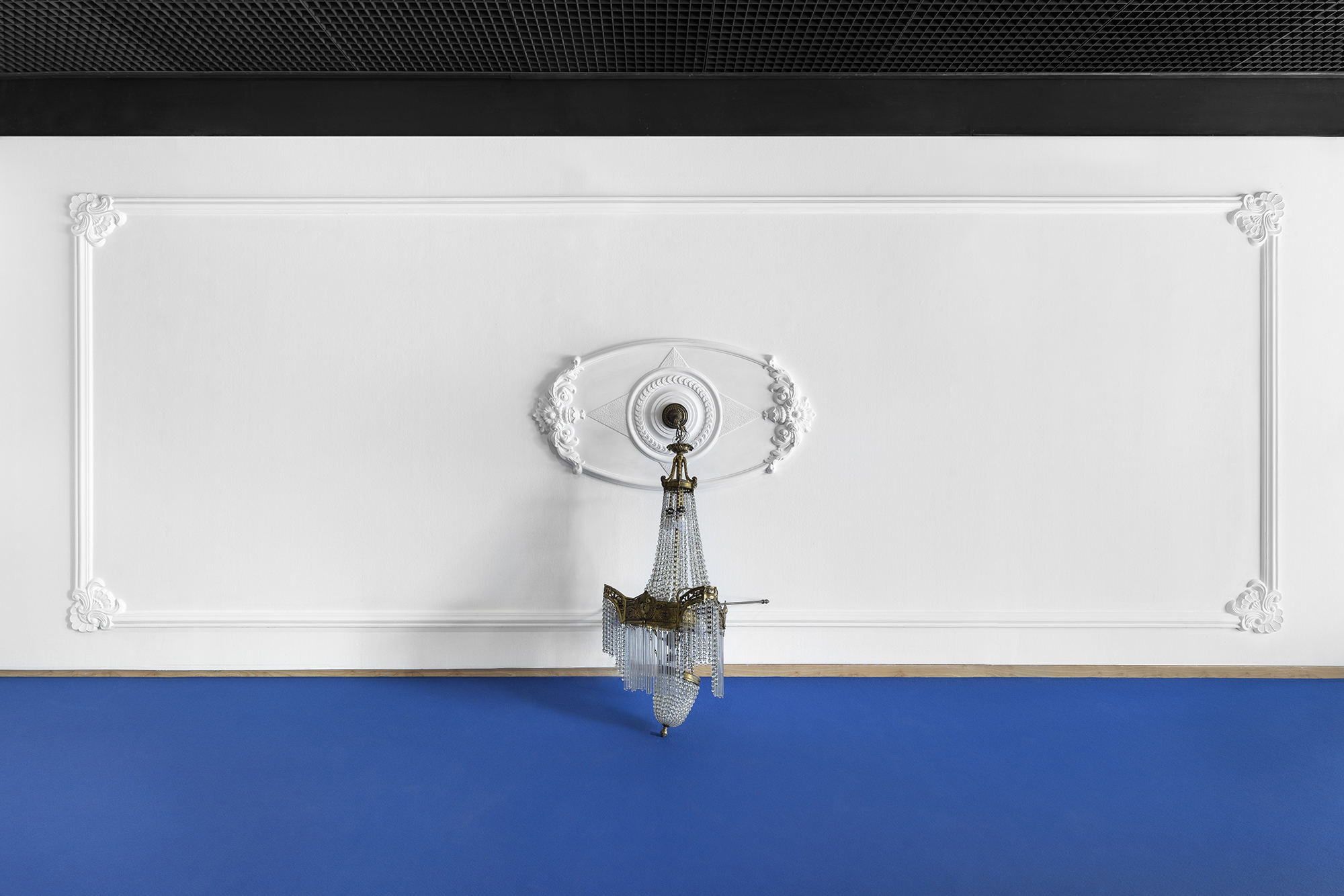
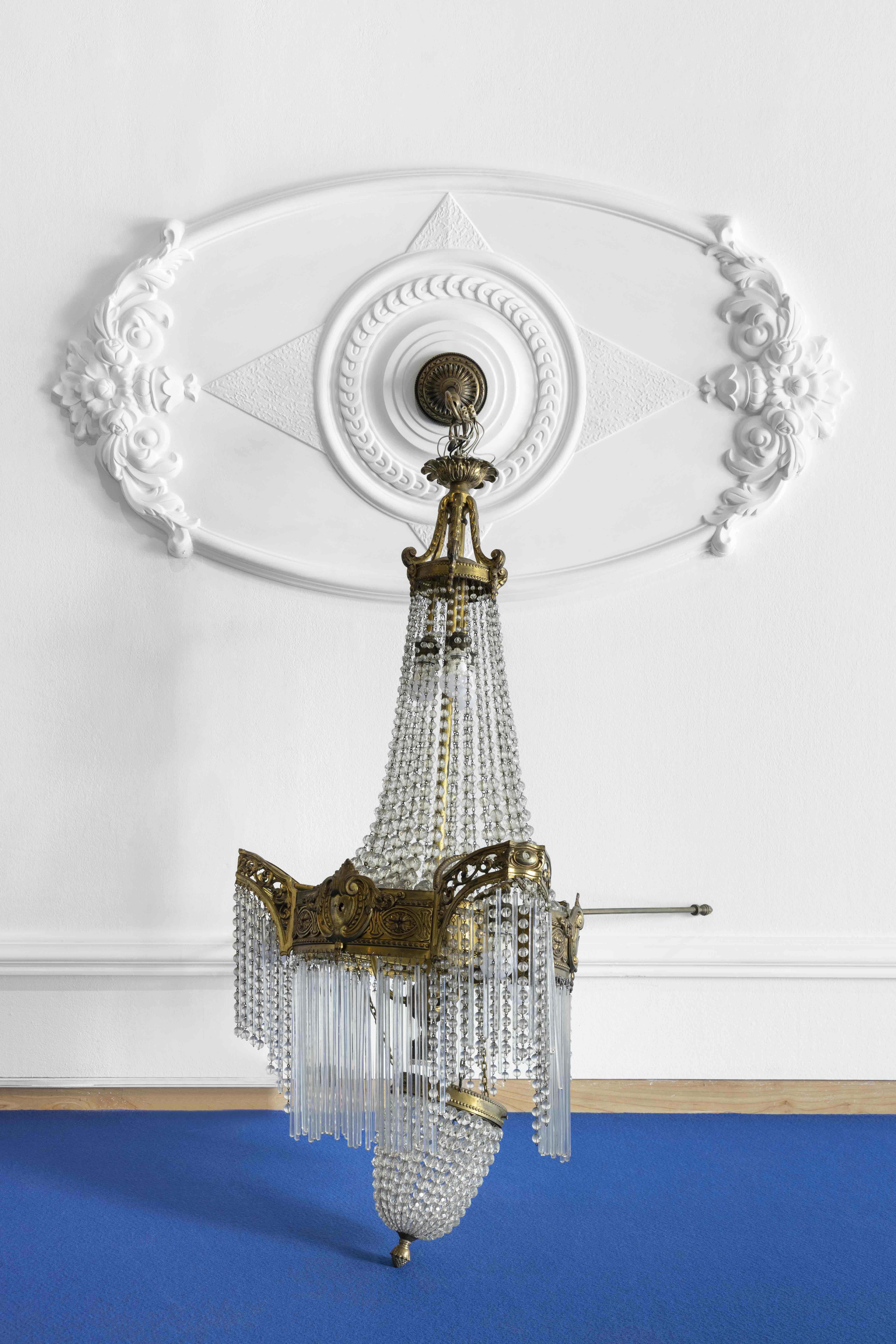
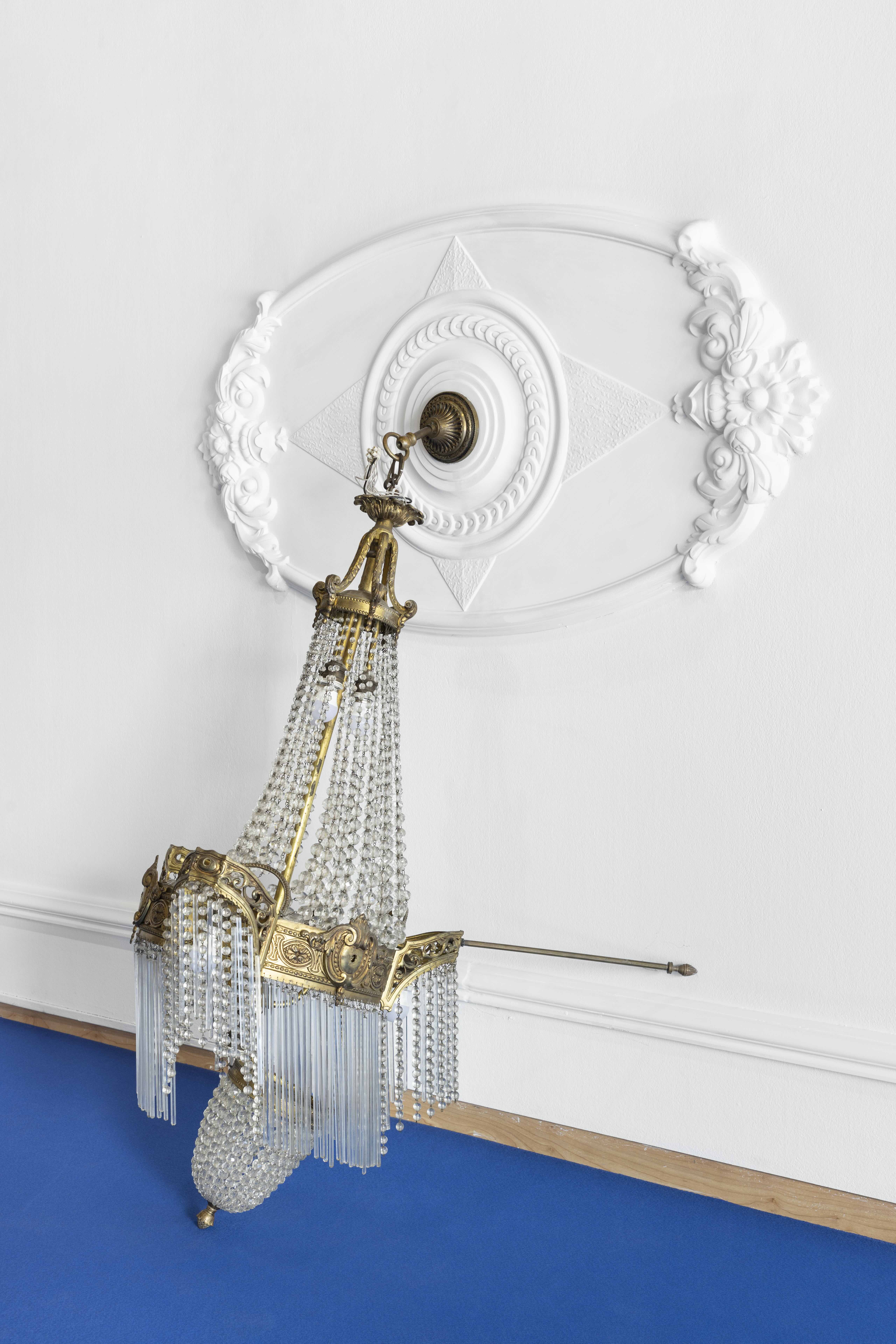
A fallen chandelier, candles burning almost to the end, empty pedestals, columns awaiting use… in this exhibition by Isabel Cordovil, there is an atmosphere of decadence, of the end of a party, that permeates the Municipal Art Gallery. Perhaps it is the desire to freeze a certain moment, or the anticipation of a climax that insists on arriving. The idea of the end dominates our lives. They say that “death is the only certainty.” Like a veil that is always present, the end terrifies and anguishes some, while at the same time it reassures or calms others. Religions devote a large part of their beliefs to explaining, justifying, and softening the idea of the end. They present it as passage or transformation, as salvation. Rarely is the end simply an end. The end is thus an identitarian and structural axis of humanity; it defines us, justifies us, guarantees who we are and the meaning of our reality.
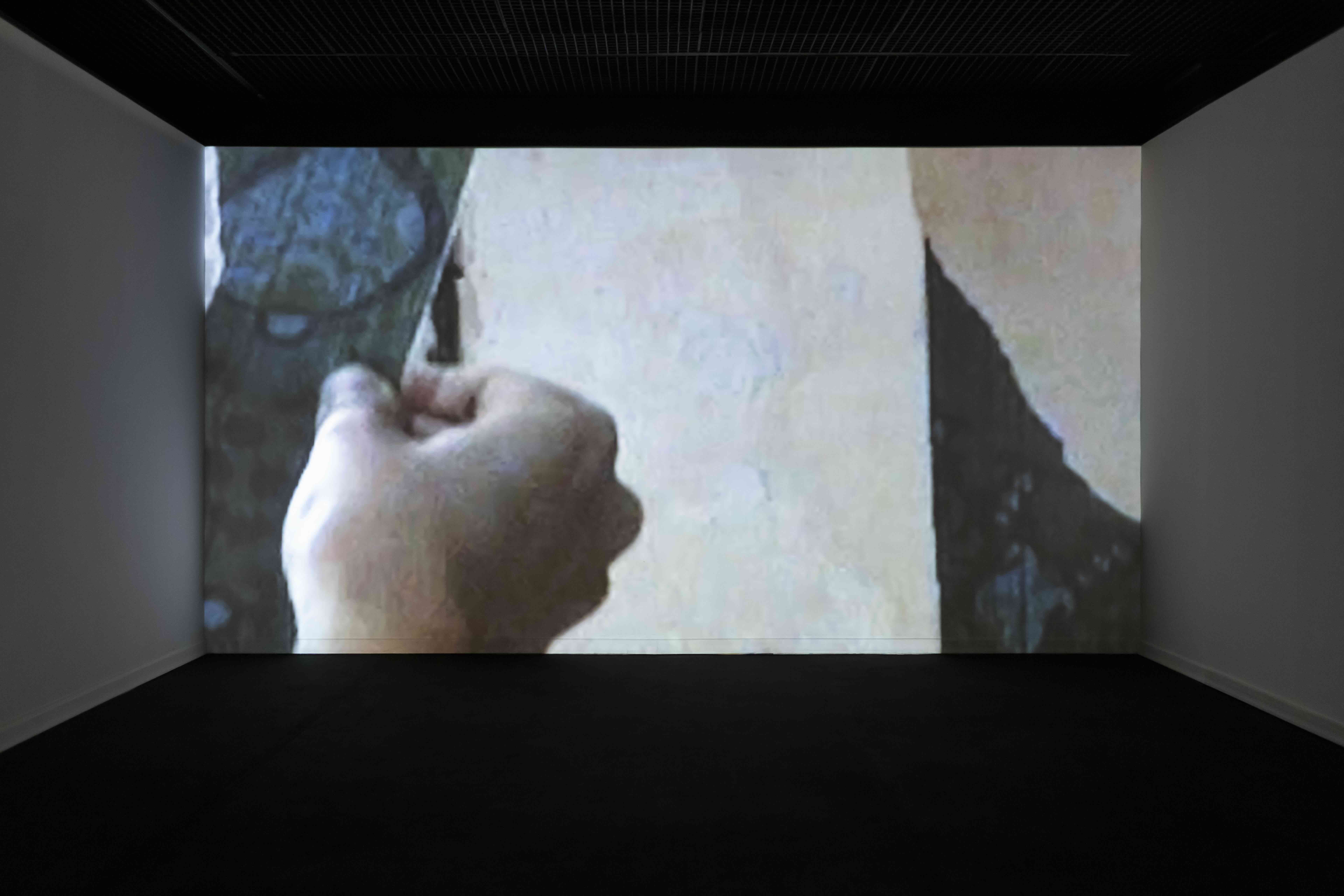
In her practice, and particularly in this exhibition, Isabel Cordovil speculates on what comes after the end, the “after-party.” Between desire, dream, and reality, Cordovil approaches the idea of an (almost existential) void, because perhaps the end has already passed; we live, mistaken, in an after, in a post-climax. The Fallen Chandelier romanticizes the idea of an end, of an announced decadence, yet one that is identifiable, tangible, and controlled. As in the video Skin, where the artist tears old wallpaper from the walls of a visibly old house, we encounter a domesticated end and a desire to preserve the symbols of the past, even if through an act of destruction. Likewise, the photographs of the wounds of everyday objects—a trash bin, a scratched car—are romanticized and elevated to the status of the beautiful.
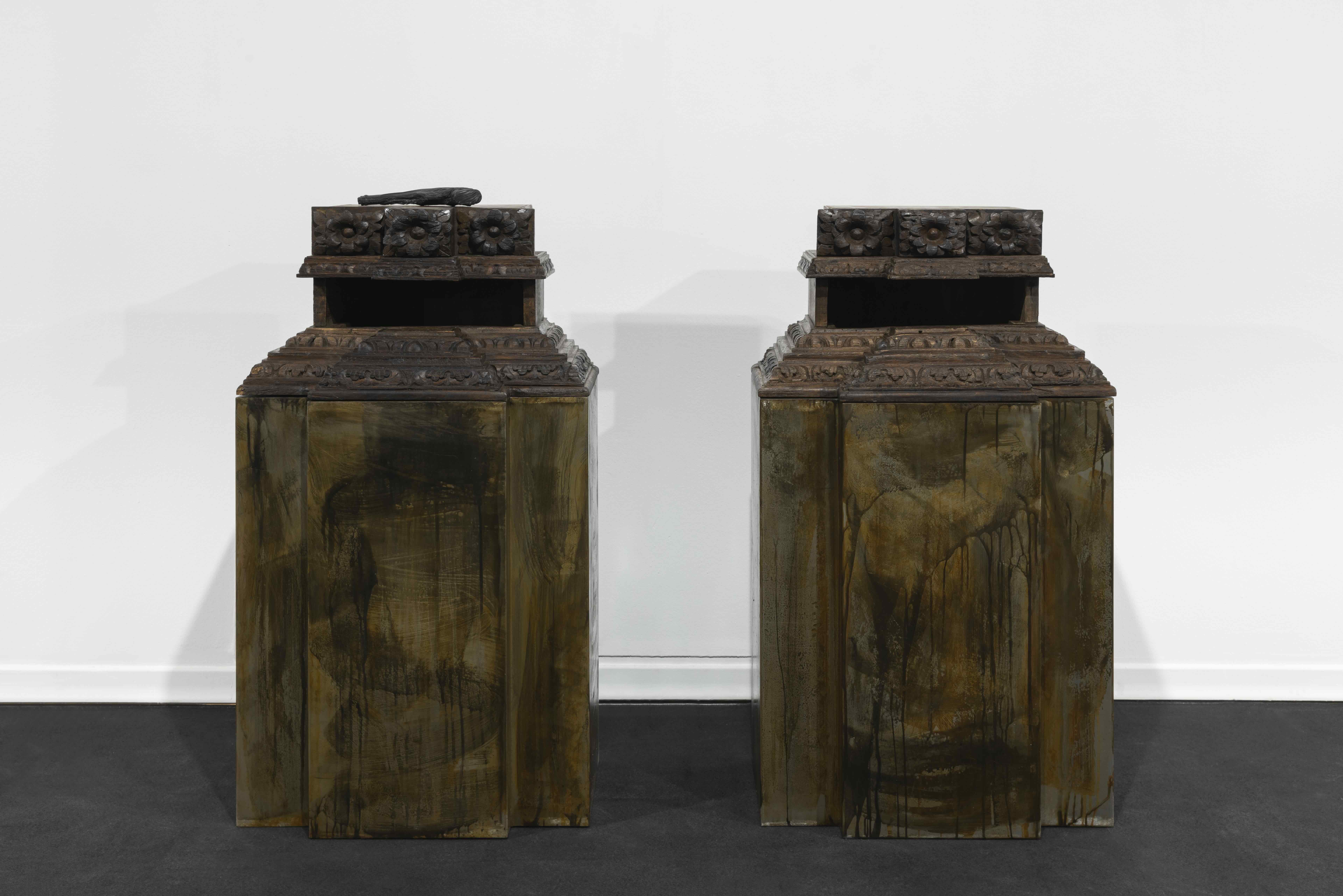
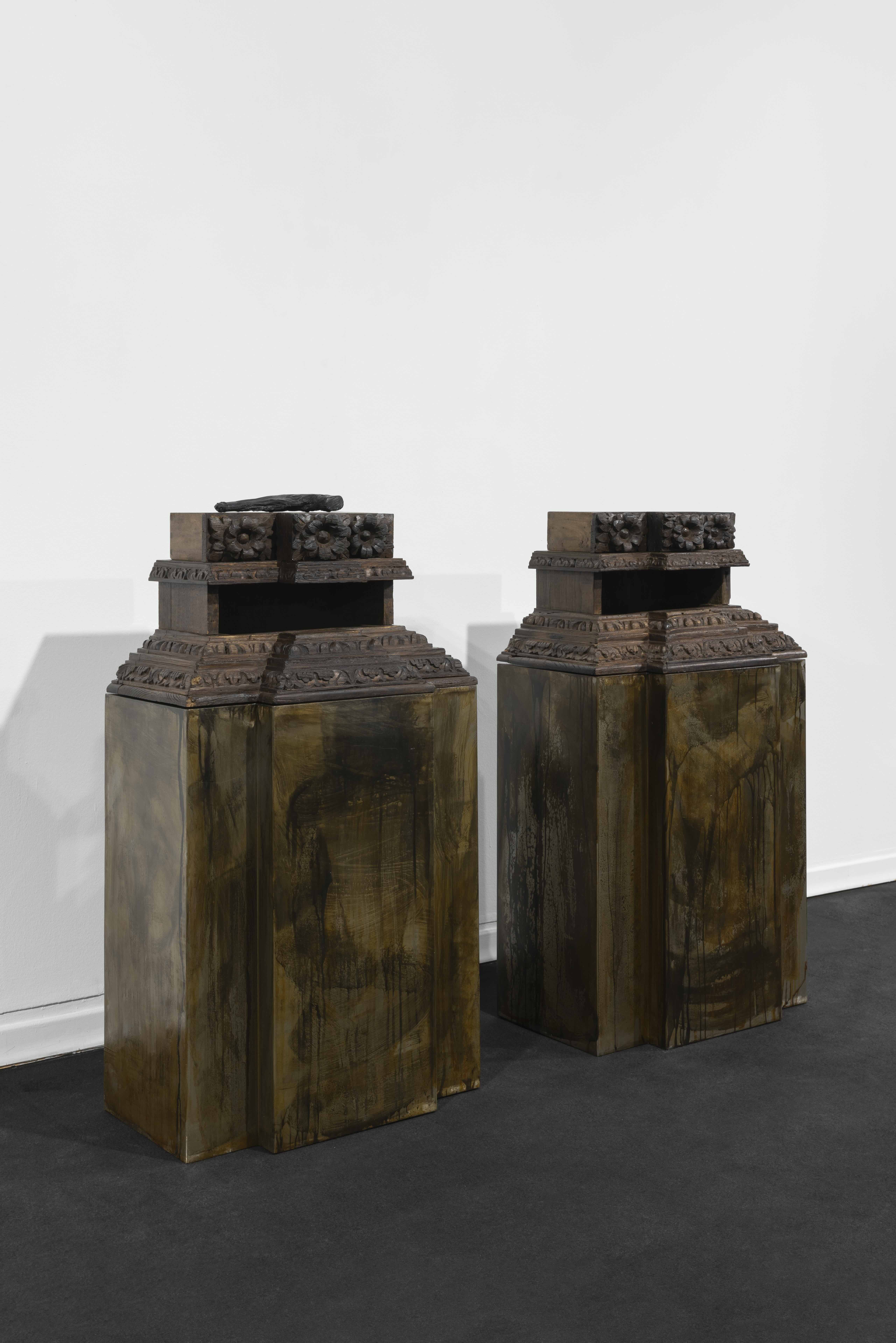
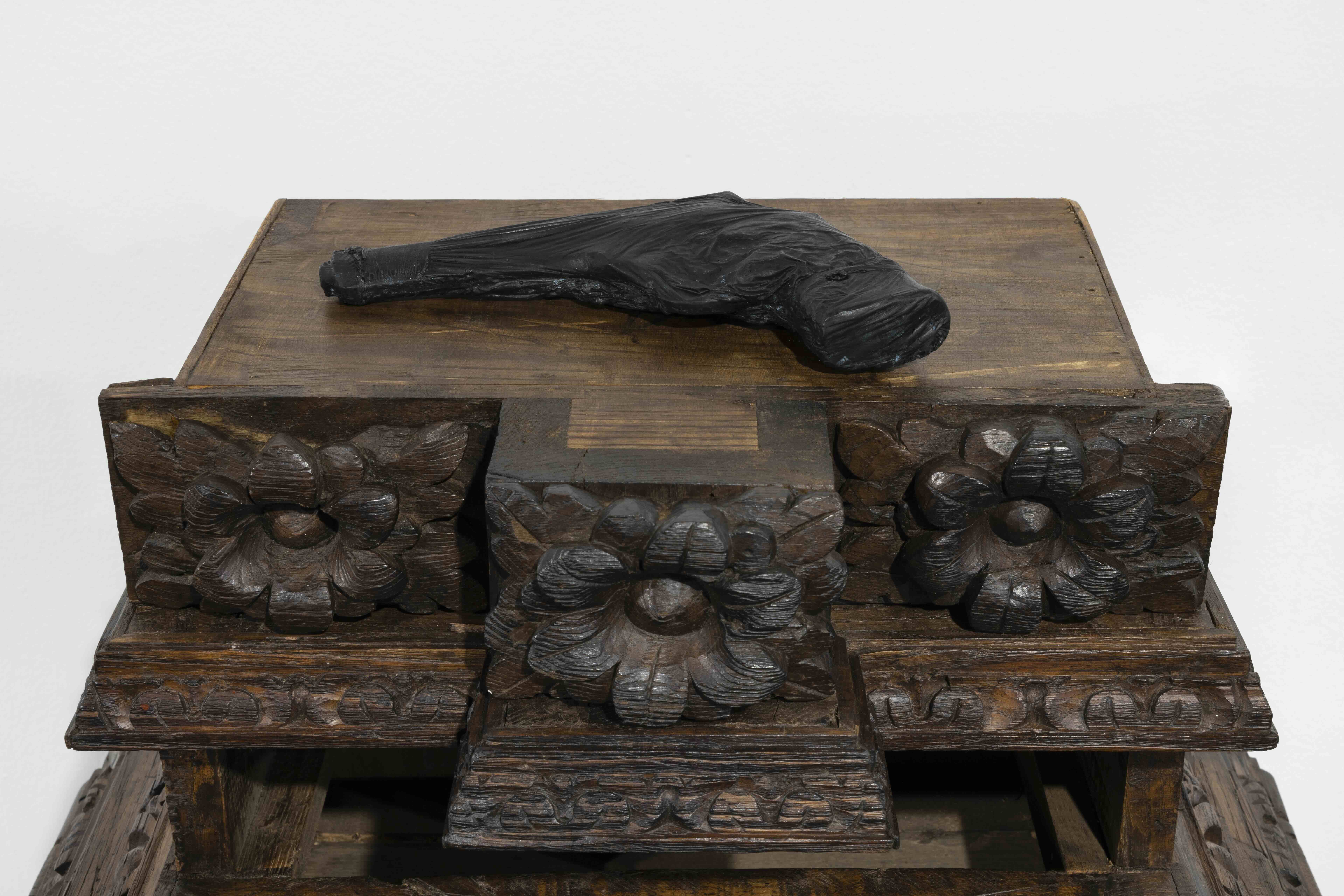
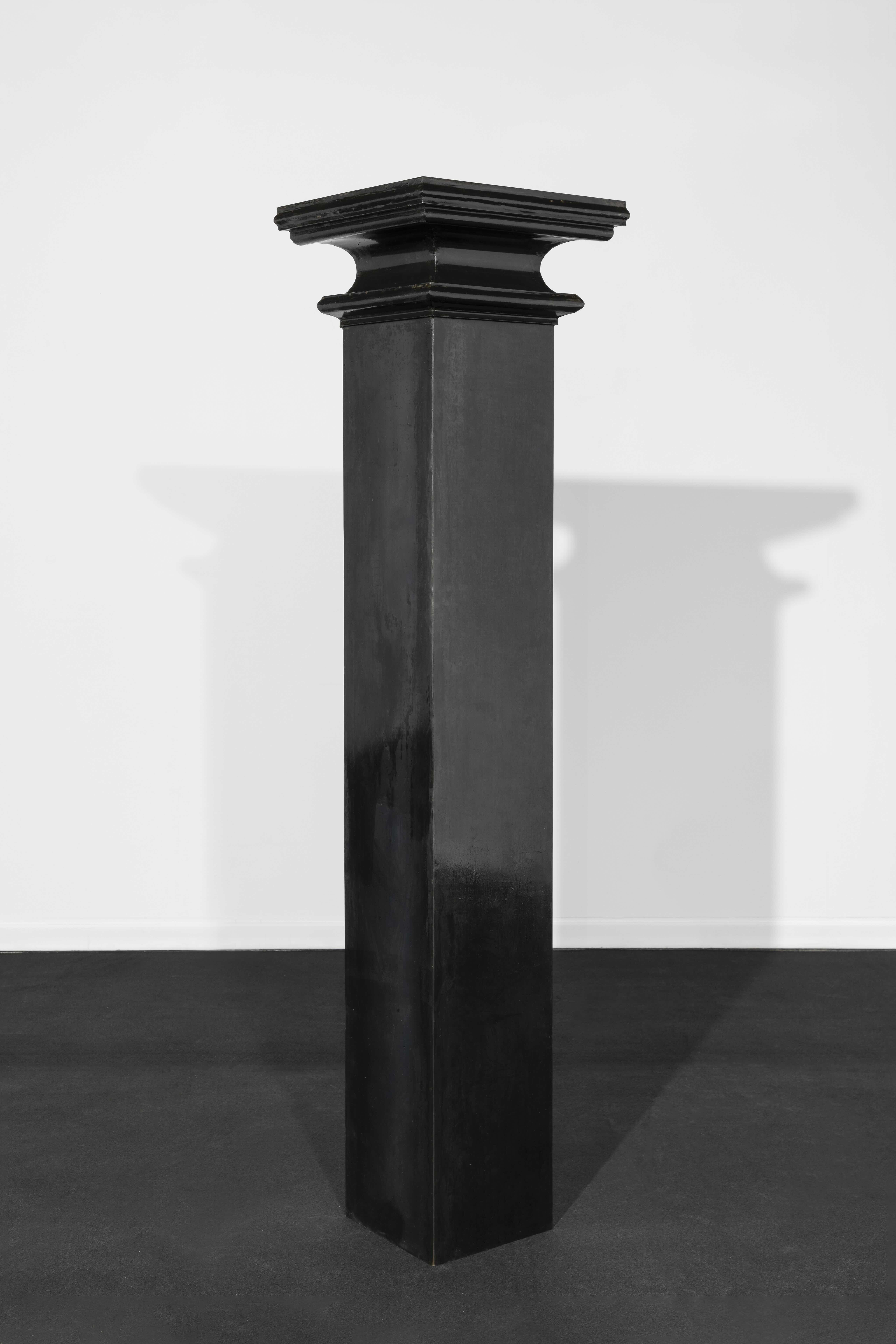
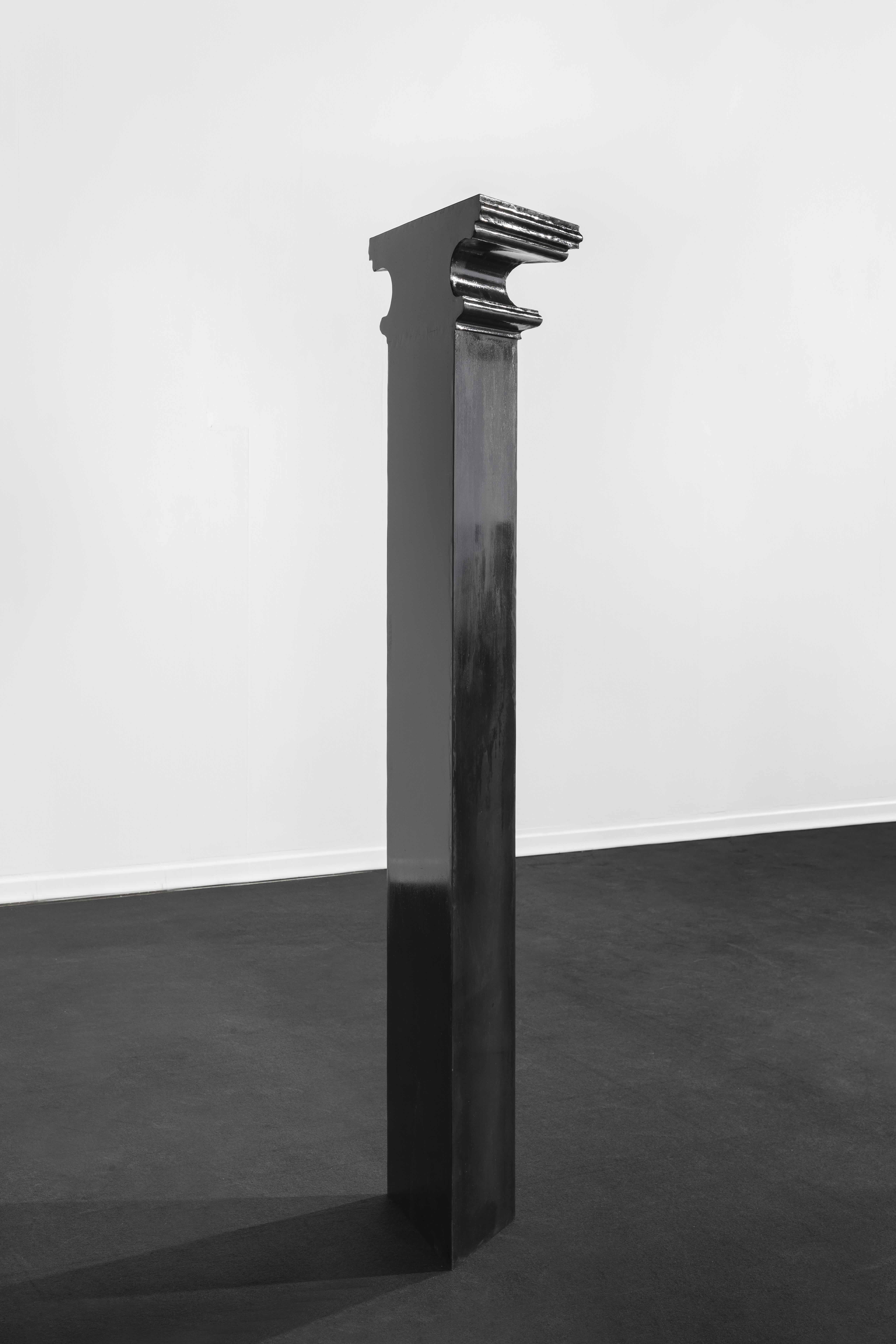
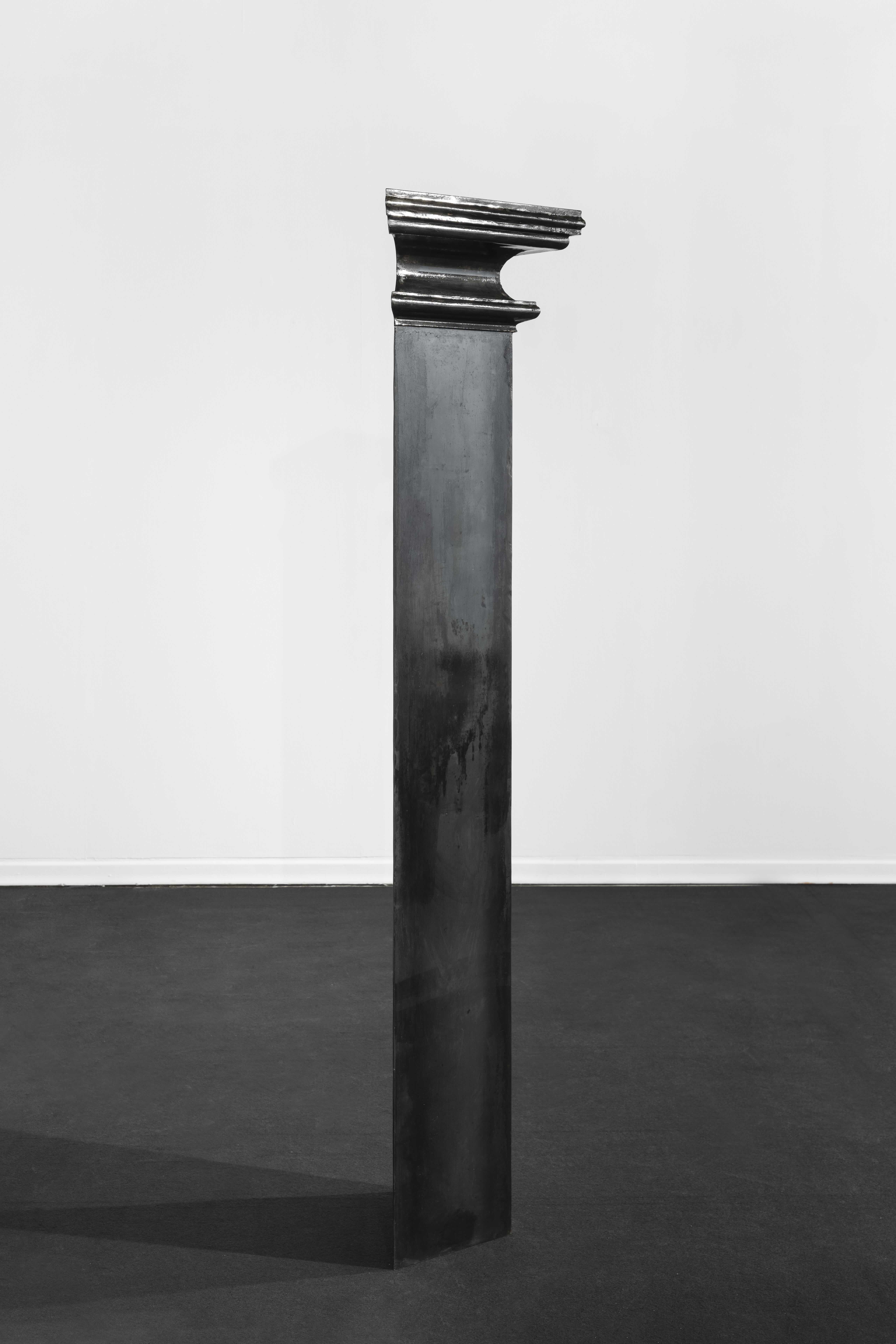
Column follows this line of thought. Plinths and columns are guarantors of order and support, but here their function is empty. There is nothing important that needs to be safeguarded or displayed. What remains is emptiness, illusions, almost like ghosts (the gun that is merely an empty shell), spectres or shadows. Excessive and useless, they remain alert; they wait, they bide their time, awaiting the chance to find a use again.
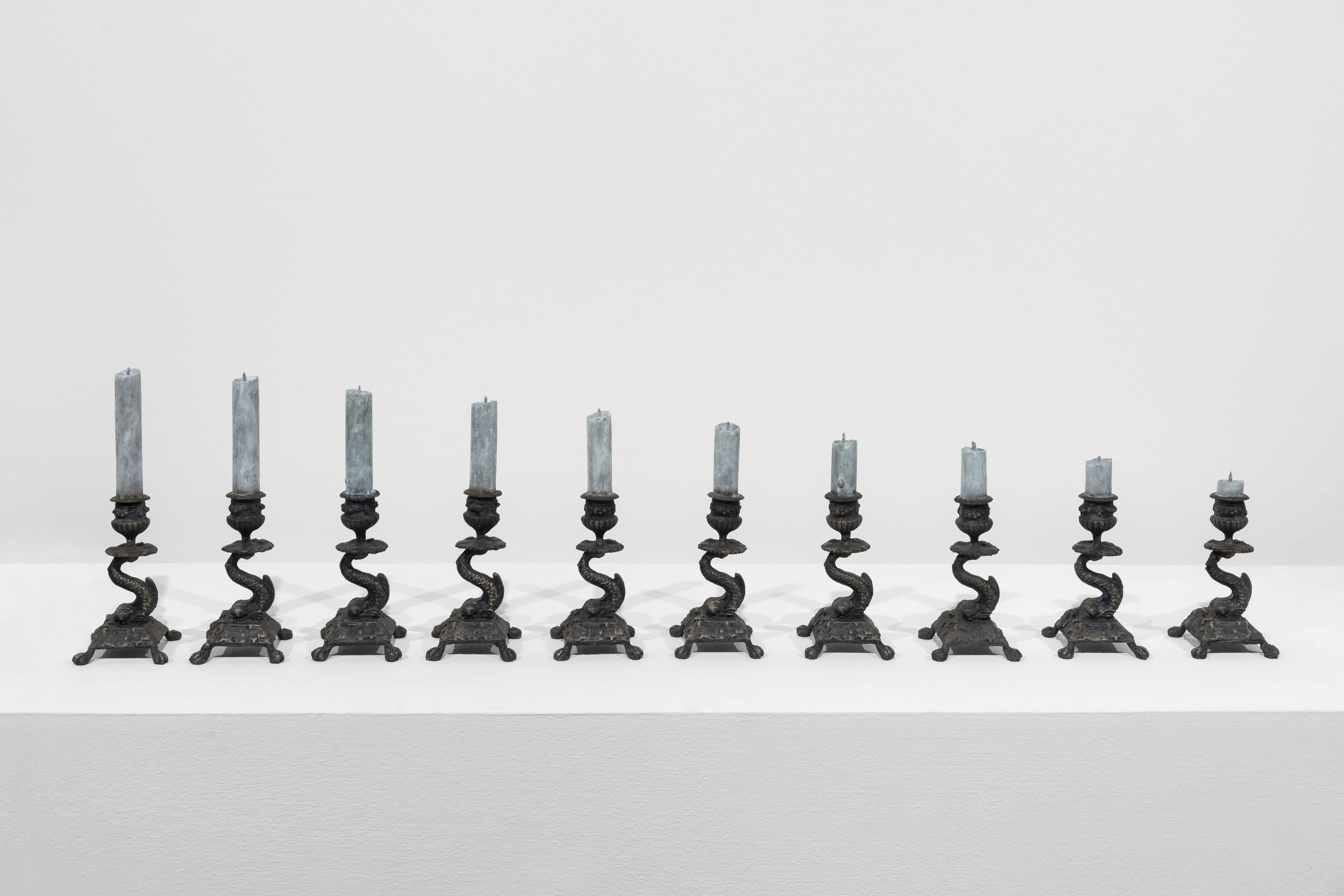
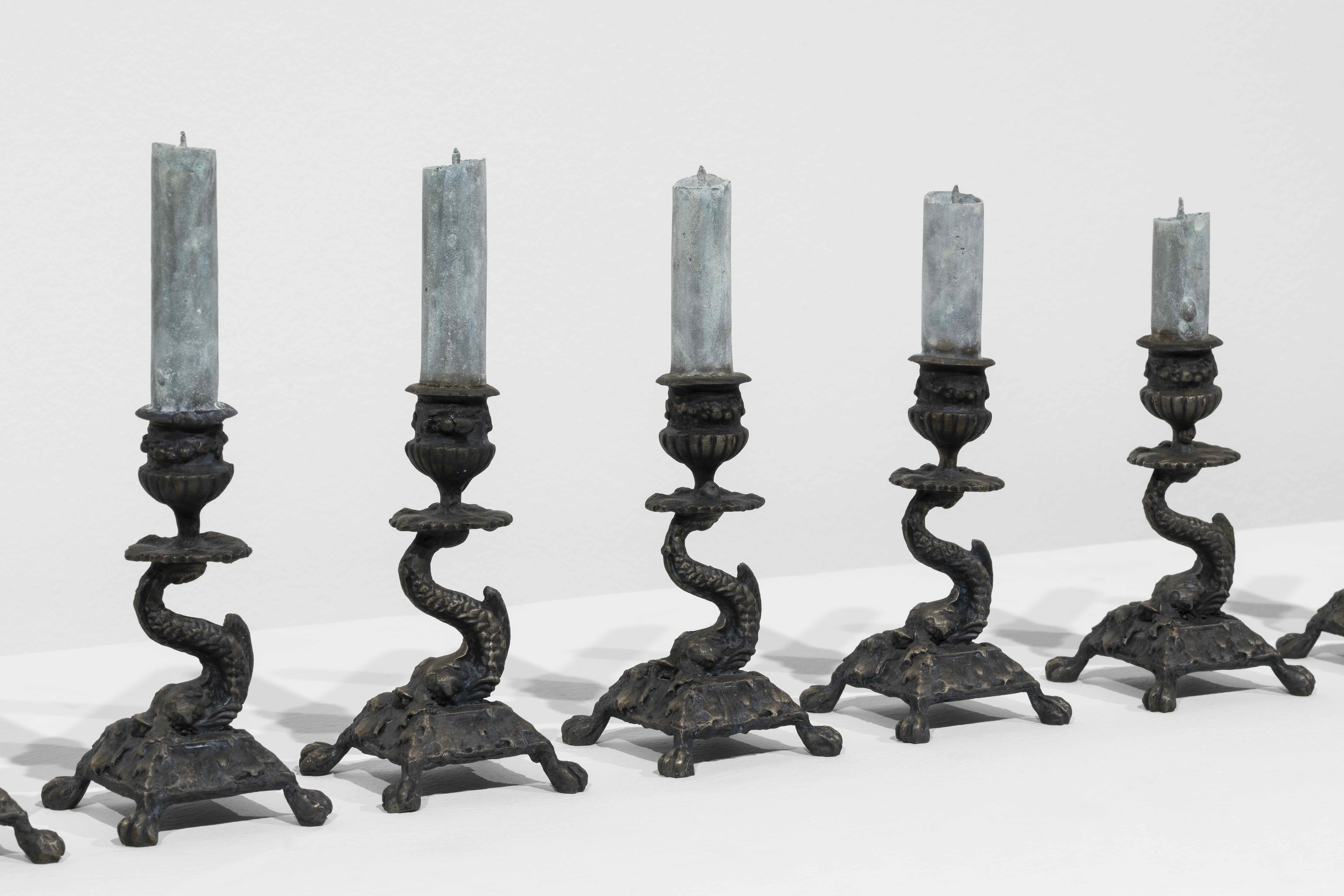
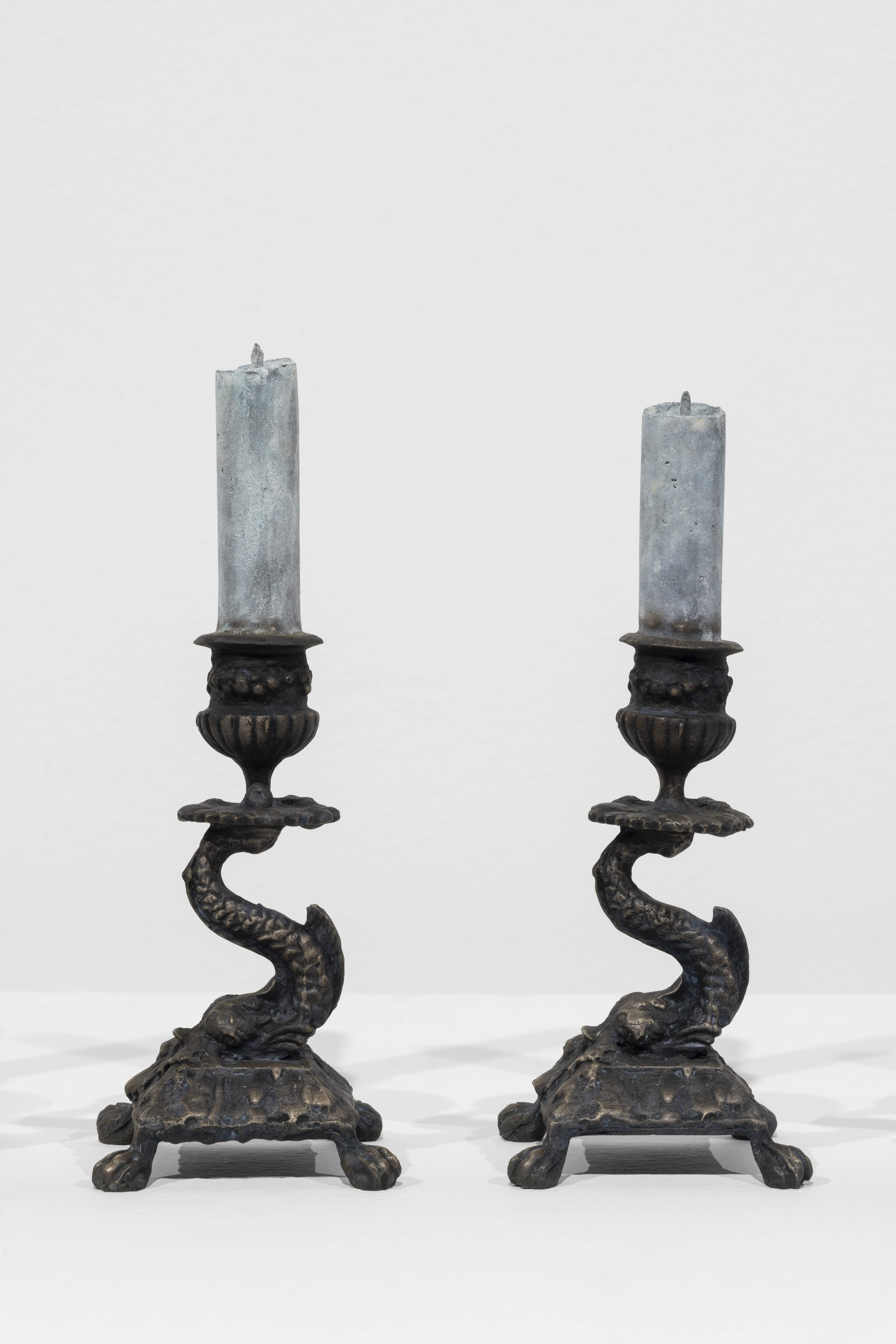
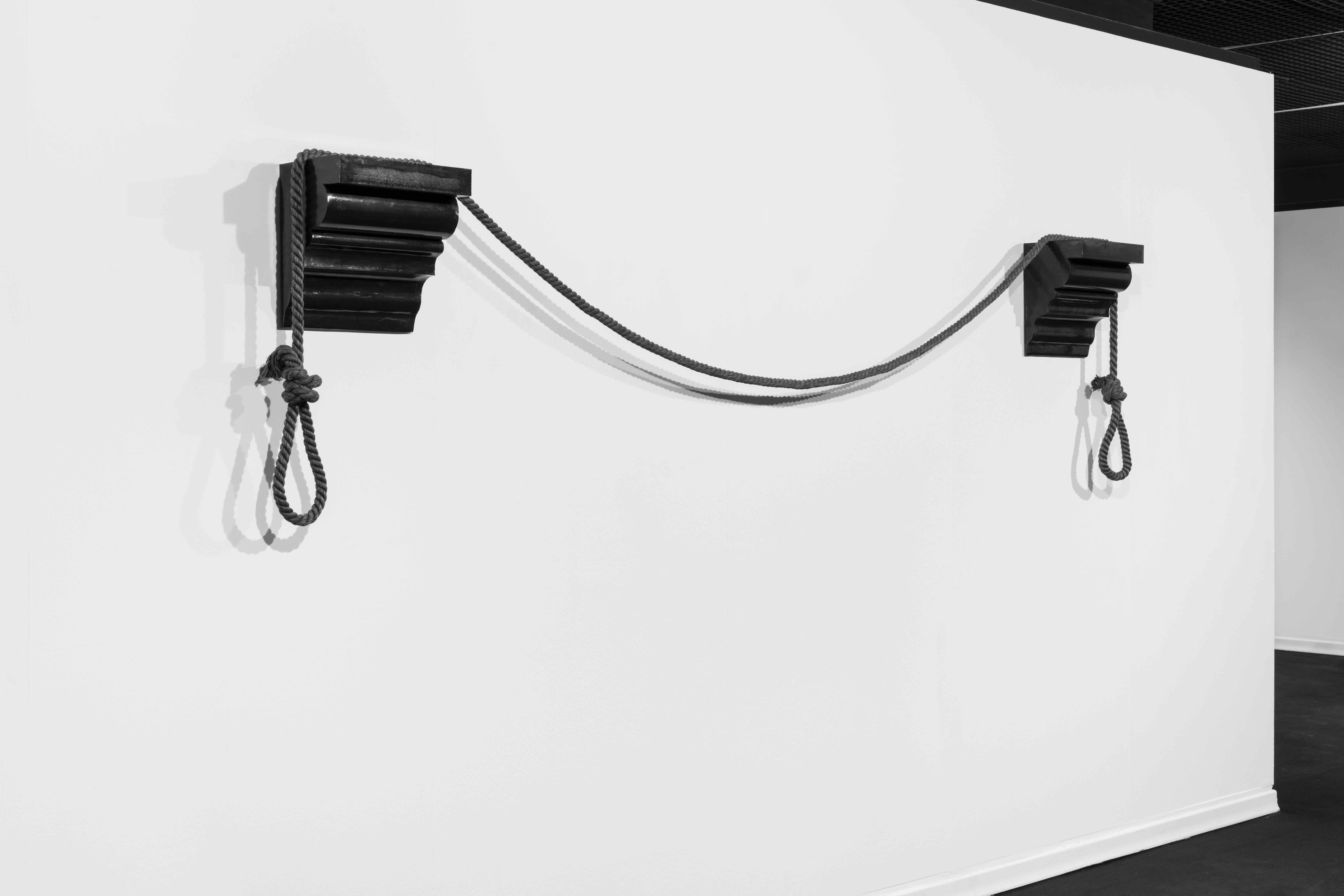
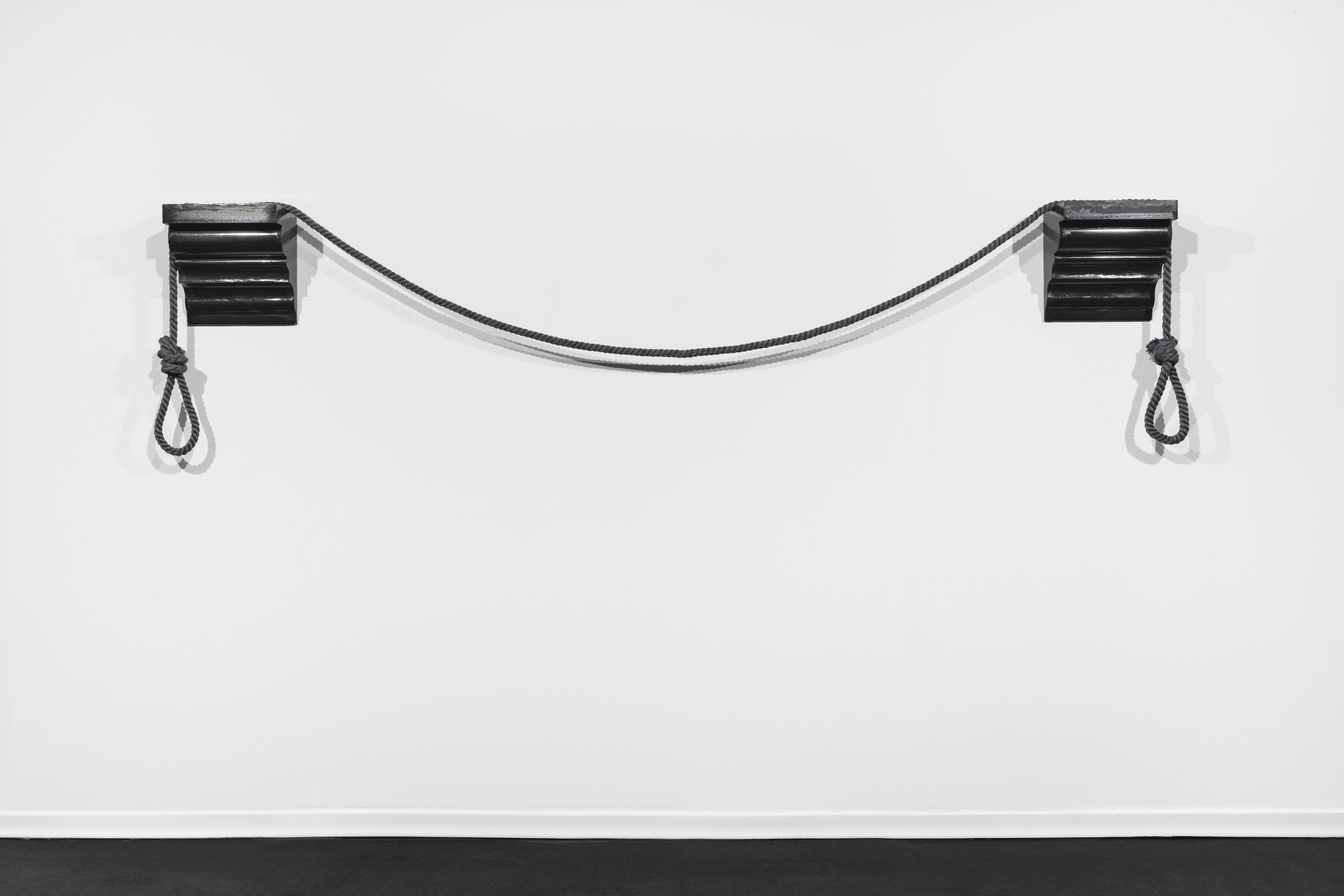
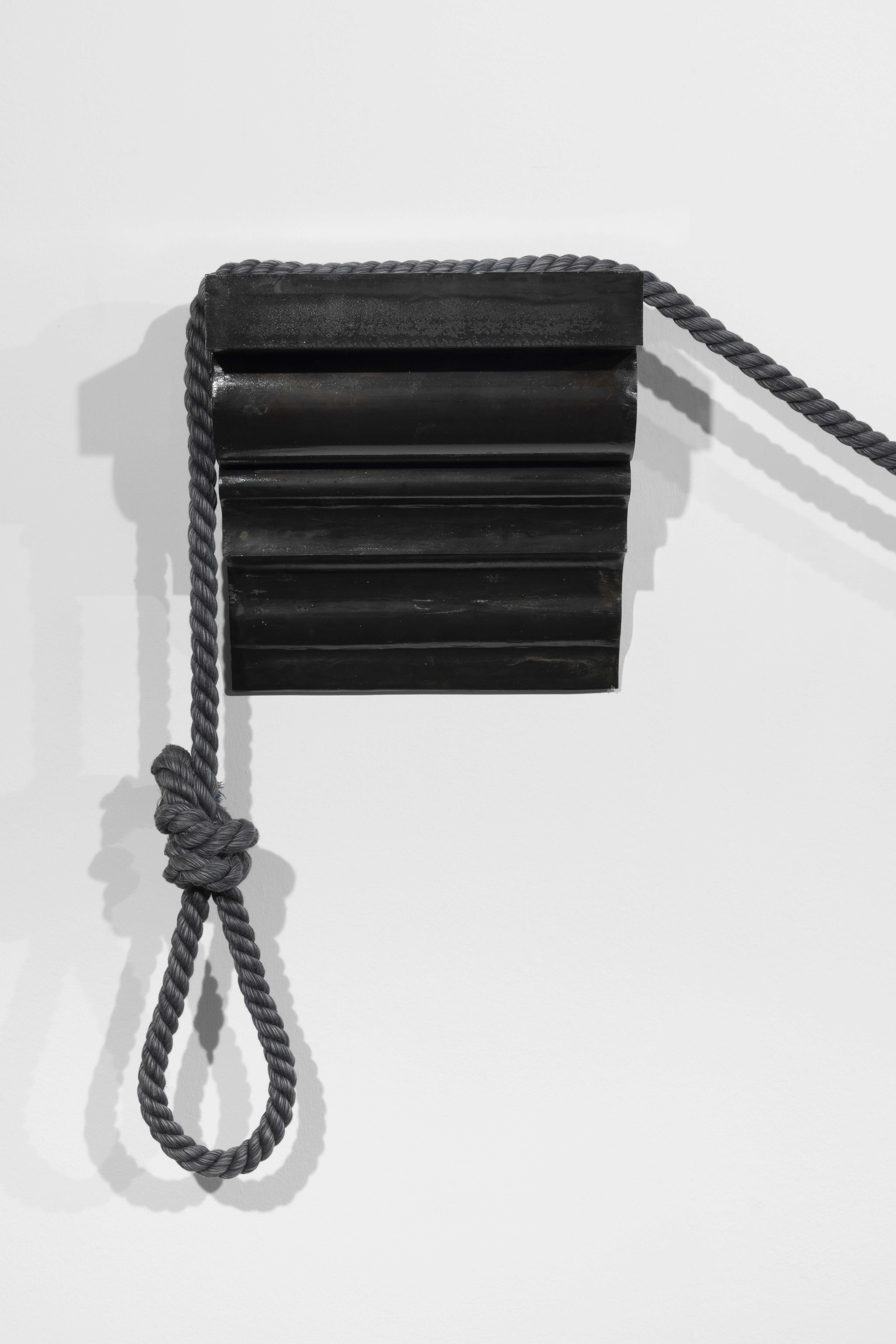
Perhaps the greatest challenge to the idea of the end, the greatest act of rebellion, is suicide. It is romanticized here, advocating the possibility of a joint ending as a gesture of love. We can immediately imagine two lovers—history is full of such pacts—but perhaps this one is between us and the creator. Control of time is also present in the sculpture Candles (Kronos). The end is yet to come. We halt the progression of time; we confront time as a construction, as a fiction. The climax is still to come. We wait just a little longer.
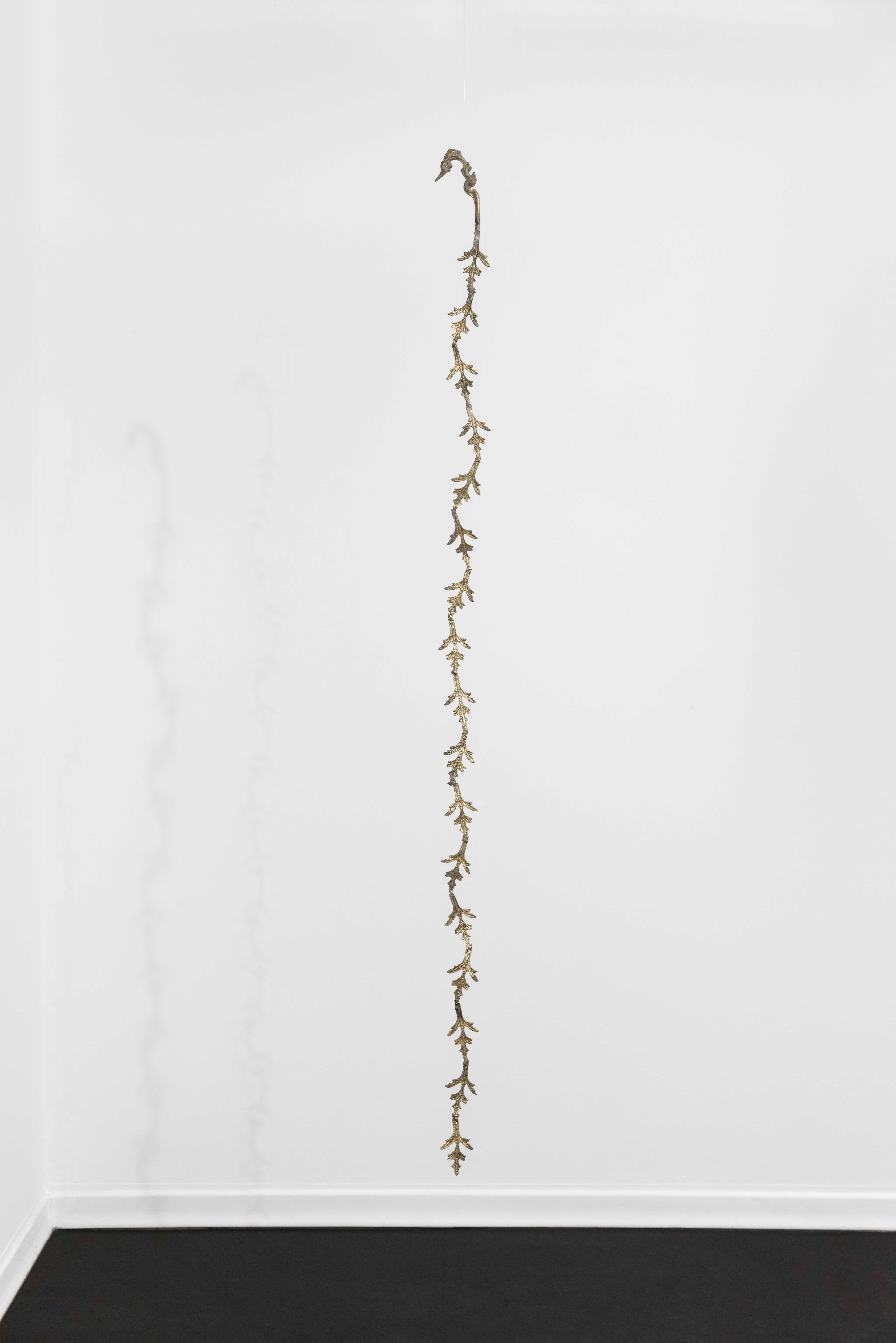
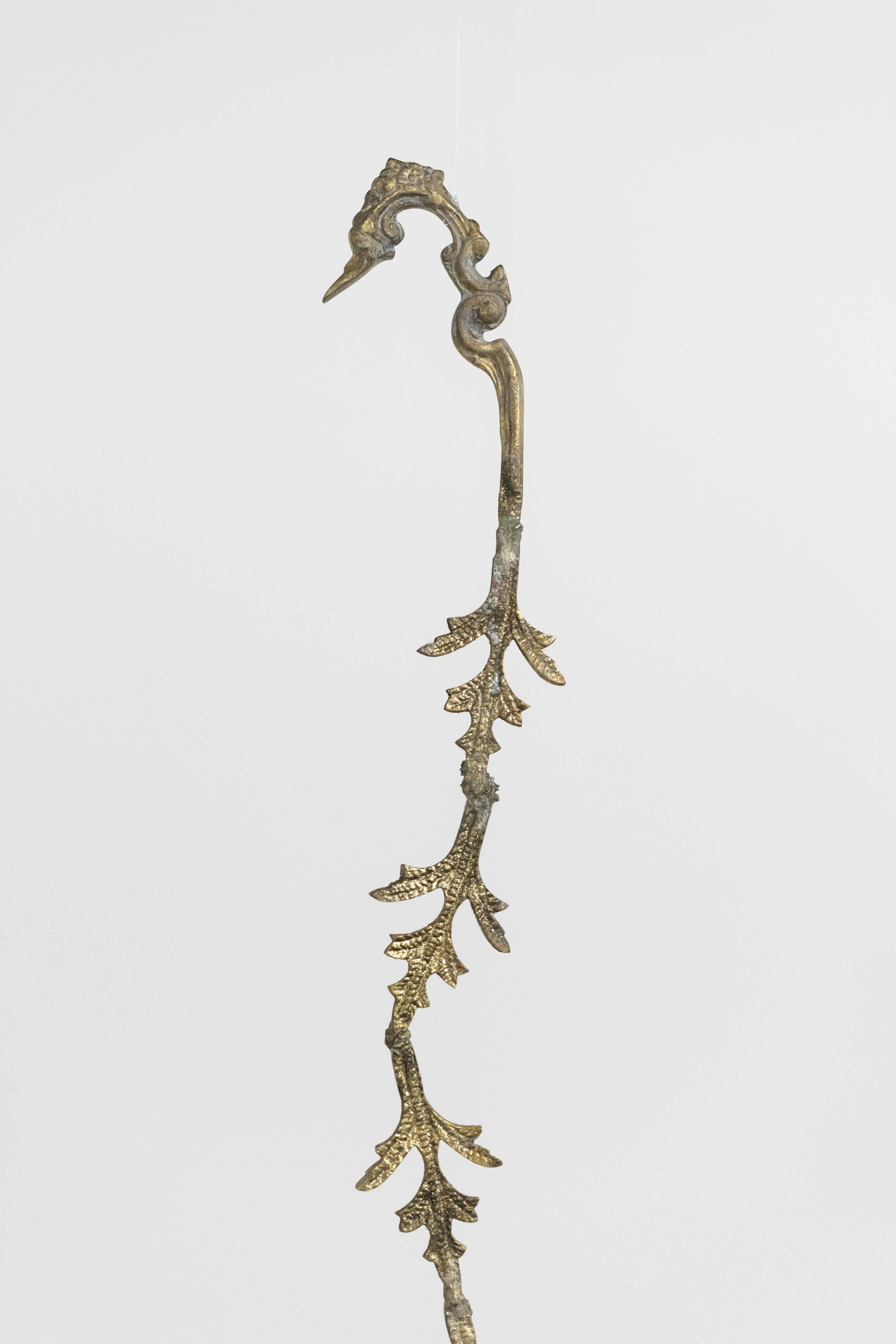
Also in Penelope (letters), Cordovil plays with the idea of absolute waiting, of not accepting destiny through an accumulation of expectations. It is this waiting that guarantees meaning to existence, that guarantees the possibility of a quotidian life. In this desire to believe that there is something afterwards, Veil appears as a door, a possible exit, an escape, with the possibility of an after. Icarus flies toward the sun, and up there, already completely carbonized, he lives his dream. The party continues; we will find a way out, and the end… we shall see later. For now there remains the void, the remnants, and the waiting, the party. Shall we continue soon?
Filipa Oliveira


%20%5BA%5D%20Isabel%20Cordovil%2C%20%5BL%5D%20Galeria%20Municipal%20Almada%20%5B4K%5D.jpg)